

Gutters protect your home from water damage, but when they fill with leaves and debris, they become blocked and overflow. Gutter guards offer an effective way to stop clogs and reduce maintenance. The best part? You can install them yourself with a few basic tools.
This guide explains how to install gutter guards step by step, the types available, tools required, pros and cons, expert tips, and FAQs.
What Are Gutter Guards and Why Do You Need Them?
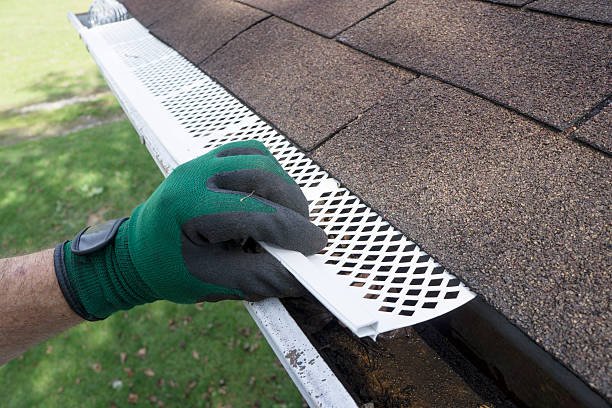
Gutter guards are protective covers placed over your gutters to prevent debris from entering while still allowing rainwater to flow freely.
Key benefits include:
-
Less frequent gutter cleaning
-
Reduced risk of overflow and water damage
-
Prevention of pest nesting
-
Improved rainwater flow
-
Longer gutter lifespan
Homes with gutter guards see up to 75% fewer blockages during heavy leaf-fall seasons.
Different Types of Gutter Guards
Before installing, choose the right type for your home.
Mesh Gutter Guards
Made of metal mesh that blocks even fine debris. Durable and highly effective.
Best for homes near eucalyptus, pine, or gum trees.
Foam Gutter Inserts
Lightweight foam pieces that fit inside the gutter.
Best for quick, low-budget DIY installations.
Brush Gutter Guards
Long brush-like inserts that sit inside the gutter.
Best for blocking larger debris.
Reverse-Curve Guards
Curved panels that use surface tension to direct water while debris falls off.
Best for heavy rainfall areas.
Plastic Clip-On Guards
Snap onto the gutter and are simple to install.
Best for average homes with moderate leaf fall.
Tools and Materials Needed
Tools:
-
Ladder with stabilizer
-
Measuring tape
-
Tin snips or scissors
-
Drill (if required)
-
Gloves and safety glasses
-
Garden hose
Materials:
-
Gutter guards
-
Screws (if needed)
-
End caps and sealant (optional)
Safety first—make sure your ladder is stable and never overreach.
How to Install Gutter Guards
Step 1: Clean the Gutters
Remove all debris, flush the gutters with water, and clear the downspouts. Installing guards on dirty gutters reduces effectiveness and traps debris.
Step 2: Measure the Gutters
Measure the full length of your gutter system.
Buy 10–15% extra material to allow for cutting waste.
Step 3: Cut the Gutter Guards
Cut to size using tin snips (for metal) or scissors (for foam/plastic). Ensure clean, even cuts.
Step 4: Place the Guards on the Gutters
Metal Mesh Guards:
-
Lay the guard over the gutter
-
Slide the back under the roof shingles (if applicable)
-
Screw the front edge into the gutter lip
Plastic Clip-On Guards:
-
Snap onto front edge
-
Press the back down firmly until secure
Foam Inserts:
-
Push directly into the gutter
-
Make sure they fit snugly
Brush Guards:
-
Insert into the gutter
-
Trim around corners if needed
Step 5: Secure the Guards
Use screws if required. Space them about 30–40 cm apart.
In high-wind areas, secure more closely.
Step 6: Test With Water
Spray water along the roof or directly into the gutter.
Check for:
-
Smooth water flow
-
No sagging or lifting
-
No overflow at the edges
Common Mistakes to Avoid
-
Installing on dirty gutters
-
Leaving gaps that allow pests to enter
-
Wrong gutter guard type for your climate
-
Poor measurement and cutting
-
Not securing the guards properly
Pros and Cons of Gutter Guards
Pros
-
Reduced cleaning by up to 90%
-
Prevents overflow and water damage
-
Keeps pests out
-
Improves rainwater drainage
-
Extends gutter and roof life
Cons
-
Upfront cost
-
Some types require professional installation
-
Foam and brush types need more frequent replacement
Costs of Installing Gutter Guards
| Type | DIY Cost per Meter | Lifespan |
|---|---|---|
| Mesh Steel | $25–$45 | 10–15 years |
| Plastic Snap-On | $10–$20 | 5–10 years |
| Foam Inserts | $8–$15 | 2–4 years |
| Brush Guards | $10–$18 | 3–5 years |
| Reverse Curve | $30–$60 | 10–20 years |
Professional installation can cost $600 to $2,000, depending on home size.
Maintenance After Installation
Even with guards, some maintenance is still necessary:
-
Brush off leaves twice a year
-
Inspect before and after rainy seasons
-
Tighten loose screws annually
-
Hose-flush once a year
FAQs
1. Can I install gutter guards myself?
Yes. Most types are DIY-friendly, especially plastic, foam, and brush guards.
2. Will gutter guards block all debris?
They block most debris, but fine dust or seeds may still pass through.
3. Do they work in heavy rain?
Yes, especially reverse-curve and micro-mesh guards.
4. How long do gutter guards last?
High-quality mesh guards last 10–15 years or more.
5. Do gutter guards need maintenance?
Minimal maintenance—just occasional surface cleaning.
6. Are gutter guards really worth it?
Yes. They significantly reduce cleaning and prevent costly water damage.
7. How long does installation take?
On average, 2–4 hours for a single-story home.
8. Do gutter guards prevent pests?
Yes, they help prevent birds, rats, and insects from nesting inside gutters.
Conclusion
Installing gutter guards is a smart investment that saves time, reduces home maintenance, and protects your property from water damage. With the right tools and the proper technique, DIY installation is simple and cost-effective. Follow the steps above, choose a suitable gutter guard type for your environment, and your gutters will stay cleaner and more efficient year-round.