

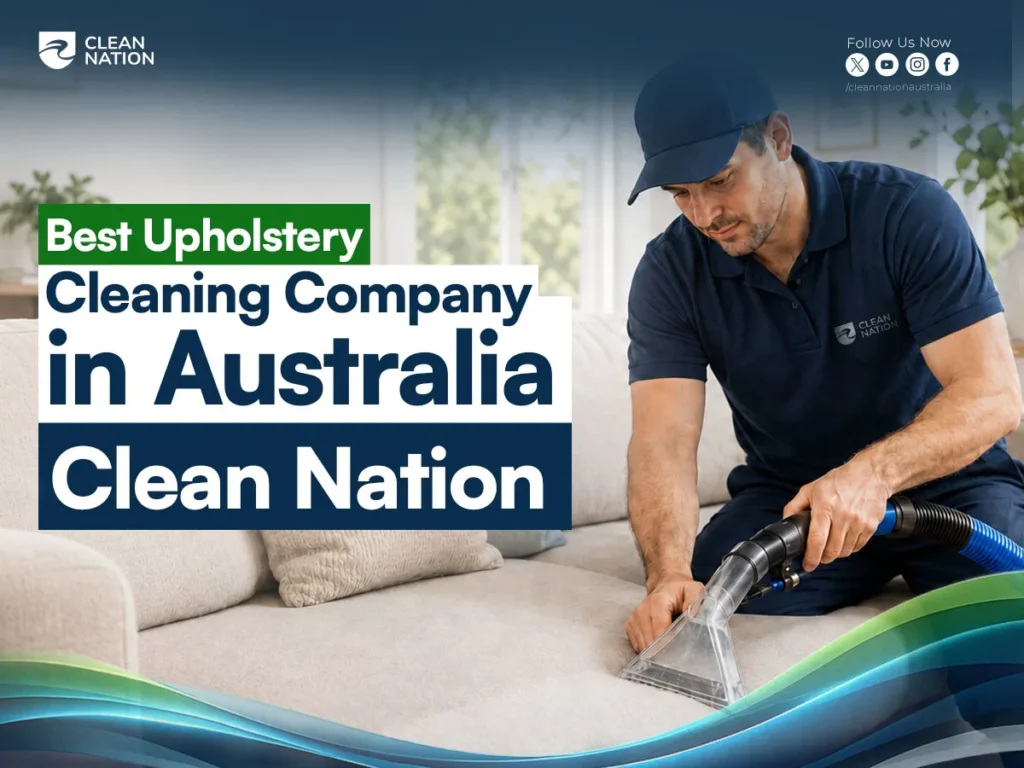
Choosing the best upholstery cleaning company in Australia means looking beyond price and reviews. Clean Nation focuses on trained technicians, fabric-specific cleaning, professional equipment, proper inspections, targeted stain and odor treatment, moisture control, transparent pricing, and suitable methods for different upholstery types and conditions.
What Makes an Upholstery Cleaning Company the Best?
The best upholstery cleaning company is not necessarily the one offering the cheapest quote. A reliable provider should demonstrate trained technicians, suitable cleaning methods, professional equipment, fabric knowledge, proper inspection, stain-treatment capability, moisture control, transparent pricing, and appropriate insurance. Professional upholstery guidance places particular importance on assessing the fabric, construction, existing damage, colorfastness, soil conditions, and cleaning limitations before treatment.
For Australian homeowners, choosing an upholstery cleaner should therefore involve more than checking a few online reviews. Look at how the company approaches your specific sofa, lounge, chair, mattress, or other upholstered furniture and whether it clearly explains the proposed cleaning process, expected results, limitations, and costs before work begins.
Experienced Upholstery Cleaning Technicians
Experienced technicians should understand how different upholstery fibres, fabric constructions, stains, and levels of soiling respond to cleaning. Professional training can also help technicians select suitable chemicals, equipment, agitation, extraction, and drying procedures while recognising conditions that may make cleaning unsuitable or risky.
Fabric-Specific Cleaning Methods
There is no universal cleaning method that is appropriate for every upholstery material. Polyester, microfibre, velvet, linen, boucle, leather, synthetic fabrics, and blended fibres can have different cleaning requirements. A quality upholstery cleaner should identify the material and follow its care requirements before selecting the cleaning system.
Professional Equipment and Cleaning Solutions
Professional upholstery cleaning can require specialised vacuum systems, extraction equipment, upholstery tools, controlled moisture application, fabric-safe cleaning agents, and stain-treatment products. The equipment should match the cleaning method and upholstery rather than being selected simply because it is powerful or marketed as suitable for every surface.
Proper Pre-Cleaning Inspection
A thorough inspection should identify existing stains, discolouration, fading, wear patterns, heavy-use areas, odours, damaged fibres, shrinkage risks, and other pre-existing conditions. Professional upholstery guidance also recommends checking fabric composition, construction, and colourfastness before cleaning so the chosen process is appropriate for the furniture.
Stain and Odour Treatment
A professional upholstery cleaner should distinguish between different types of contamination instead of treating every mark with the same product. Food stains, beverage spills, grease, pet-related contamination, body oils, ink, and persistent odours may require different treatment approaches, and complete removal cannot always be guaranteed when stains are old or have permanently affected the fibres.
Safe Moisture and Drying Control
Moisture management is an important part of upholstery cleaning. Excessive water can extend drying times and potentially contribute to problems such as water marks, odours, or fabric-related damage. A professional process should therefore control moisture during cleaning and extraction while providing appropriate drying guidance for the specific upholstery.
Clear Pricing and Service Terms
A trustworthy upholstery cleaner should explain what is included in the quoted price and identify potential additional charges before treatment begins. Pricing may depend on furniture size, upholstery type, condition, stain severity, cleaning method, accessibility, and additional treatments, so an unusually low headline price should not automatically be considered the best deal.
8 Things to Check Before Choosing an Upholstery Cleaner in Australia
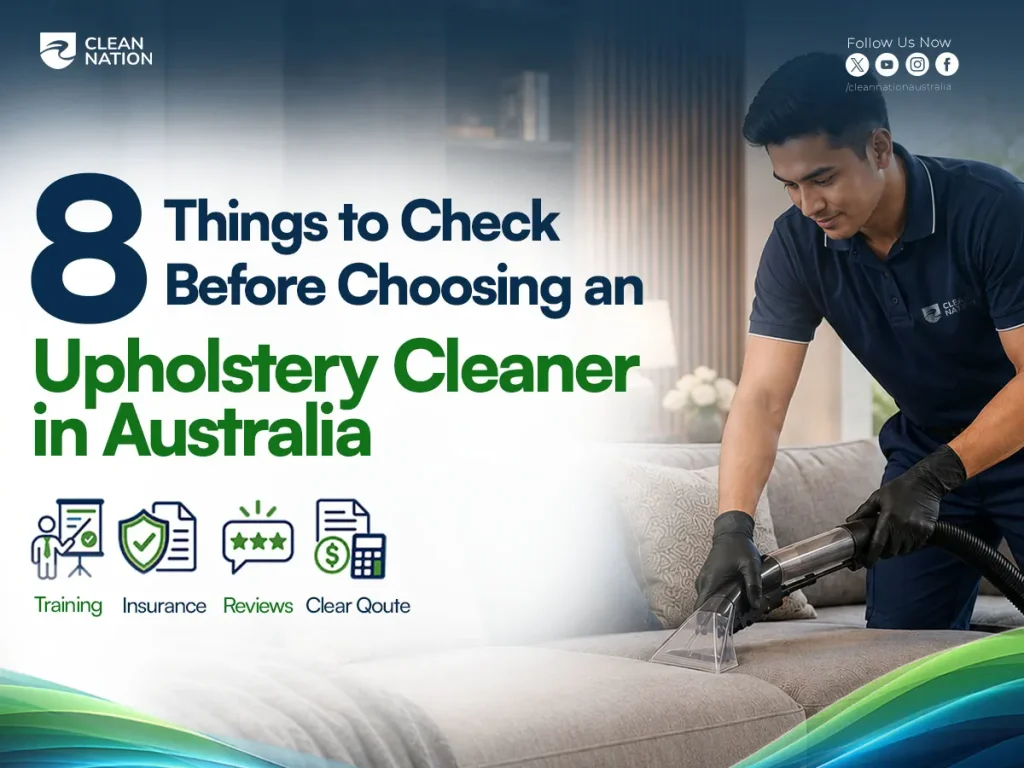
Choosing an upholstery cleaner involves comparing more than price. Australian consumer guidance recommends checking qualifications, association membership, insurance, reviews, quotes, guarantees, and the services included before hiring a cleaning provider.
Industry Training and Certifications
Ask whether technicians have relevant upholstery or cleaning training and whether claimed certifications can be verified. Professional certification can demonstrate structured education and knowledge, but consumers should check exactly what a certification covers rather than assuming every cleaning company has the same level of training.
Insurance and Professional Credentials
Confirm that the business has appropriate insurance, particularly public liability coverage relevant to the services being provided. Insurance can offer protection if accidental property damage occurs during a service. Also check the business details and any professional credentials before allowing technicians to work on valuable furniture.
Upholstery Cleaning Experience
Look for experience with the specific type of furniture and material you need cleaned. A company experienced with fabric sofas may have different expertise from one primarily focused on carpets, so ask whether the technicians regularly handle upholstery, delicate fabrics, leather, sectional lounges, dining chairs, and other furniture.
Customer Reviews and Reputation
Reviews can help reveal patterns in punctuality, communication, cleaning results, pricing, and customer service. Focus on detailed and recent feedback rather than relying solely on an overall star rating. When possible, compare reviews across multiple independent sources.
Cleaning Methods Used
Ask which cleaning method will be used and why it is appropriate for your upholstery. A reputable cleaner should be able to explain whether hot water extraction, low-moisture cleaning, dry cleaning, steam-based treatment, or targeted spot treatment is appropriate rather than automatically applying one process to every sofa.
Fabric and Stain Expertise
A quality upholstery cleaner should understand the relationship between fabric fibres, dyes, construction, stains, moisture, cleaning chemistry, and agitation. This becomes particularly important with delicate upholstery, colour-sensitive fabrics, old stains, or furniture with existing wear and damage.
Service Coverage and Availability
Check whether the company actually services your suburb and whether its appointment availability matches your requirements. Before booking, confirm the service area, arrival arrangements, estimated duration, access requirements, and any conditions that could affect the appointment.
Transparent Quotes
Request a quote that clearly explains the service being provided. Ask whether the price includes pre-treatment, stain treatment, cleaning, extraction, deodorising, furniture protection, or other optional services. Transparent pricing makes it easier to compare providers without being misled by a low initial price.
Sydney Upholstery Cleaning Deliverable And Review
A Sydney homeowner contacted Clean Nation after years of dealing with stains, accumulated dirt, and tired-looking upholstery. Clean Nation’s team assessed the furniture, selected a suitable cleaning approach, and completed the upholstery service with targeted stain treatment and professional equipment. After seeing the finished result, the client commented that, “In my 10 years of experience, I’ve never seen a cleaning company provide this level of service at such an affordable price.” Clean Nation’s upholstery service is designed around fabric assessment, professional cleaning methods, and transparent pricing.
What Types of Upholstery Can Professional Cleaners Handle?
Professional upholstery cleaners can work with a broad range of furniture materials, but the cleaning method must be selected according to the fibre, construction, finish, condition, manufacturer instructions, and soil type. Not every upholstery material is suitable for the same cleaning process, so proper identification and testing should come before treatment.
Different furniture pieces can also present different cleaning challenges. Cushions, seams, piping, buttons, loose covers, padded sections, and internal fillings may affect moisture movement and drying. Professional assessment helps determine whether the upholstery can be safely cleaned and which process is appropriate.
Fabric Sofas and Lounges
Fabric sofas can accumulate dust, body oils, food particles, pet hair, spills, and general soil through regular use. Professional cleaning may be suitable for materials such as polyester, linen, microfibre, and blended fabrics, provided the cleaning process is compatible with the specific upholstery.
Microfibre Upholstery
Microfibre has a dense surface structure that can collect oils, dirt, and marks through everyday contact. Cleaning should account for the material’s construction and manufacturer’s care instructions rather than relying on a generic upholstery cleaner.
Velvet and Delicate Fabrics
Velvet and other delicate textiles require careful handling because moisture, agitation, heat, and incorrect products can affect texture, colour, or appearance. Professional assessment is particularly valuable when the fabric has a specialised finish or limited cleaning tolerance.
Leather Upholstery
Leather requires a different approach from textile upholstery. Cleaning and conditioning products should be appropriate for the specific leather type and finish, while excessive moisture or unsuitable chemicals should be avoided.
Dining Chairs and Fabric Seating
Dining chairs can accumulate food particles, drink spills, grease, and frequent-contact soil. Professional upholstery cleaning can target the seat, backrest, seams, and other upholstered areas while considering the fabric and construction of the furniture.
Mattresses and Other Upholstered Furniture
Professional upholstery services may also cover items such as mattresses, ottomans, upholstered bedheads, armchairs, recliners, and fabric dining furniture, depending on the provider. Each item should be assessed according to its construction, fabric, condition, and cleaning requirements.

How Much Does Upholstery Cleaning Cost in Australia?
There is no single price that accurately represents upholstery cleaning across Australia. The final cost can vary according to furniture size, number of seats, upholstery material, condition, level of soiling, stain severity, cleaning method, accessibility, location, and additional treatments. A small two-seater sofa and a heavily soiled sectional will not require the same amount of work.
When comparing quotes, look beyond the advertised starting price. Ask exactly what the service includes and whether stain treatment, deodorising, fabric protection, moving furniture, or other treatments cost extra. Australian consumer guidance also recommends comparing multiple quotes and avoiding the temptation to select a cleaner solely because the price appears unusually low.
Which Cleaning Method Is Best for Upholstery?
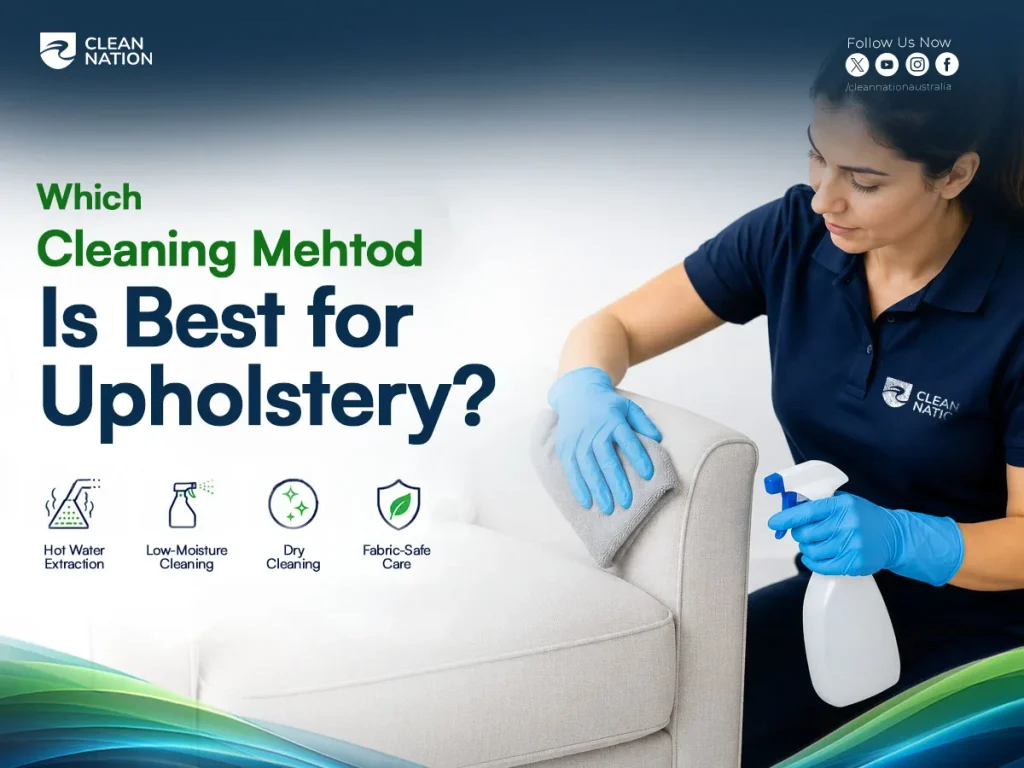
There is no single “best” upholstery cleaning method for every sofa. The appropriate approach depends on the fibre, fabric construction, colourfastness, condition, soil type, moisture tolerance, manufacturer instructions, and desired result. Professional upholstery standards emphasise inspection and testing before determining the suitable cleaning process.
Hot Water Extraction
Hot water extraction uses a cleaning solution and controlled water application followed by powerful extraction to remove suspended soil and moisture. It can provide deeper cleaning for suitable upholstery, but the fabric must first be assessed to determine whether moisture-based extraction is appropriate.
Low-Moisture Cleaning
Low-moisture cleaning uses considerably less liquid than traditional water-based extraction. It can be useful when reduced moisture and faster drying are important, provided the method is compatible with the upholstery and level of soiling.
Dry Cleaning Methods
Dry or low-water upholstery cleaning methods use specialised cleaning compounds or solvents designed to minimise moisture exposure. These approaches may be appropriate for certain fabrics that are unsuitable for conventional wet cleaning, but the material and manufacturer’s care requirements should be assessed first.
Steam Cleaning
Steam-based cleaning introduces heat and moisture and is sometimes used for suitable upholstery. However, it should not automatically be considered appropriate for every fabric. Excessive heat or moisture can create problems for sensitive materials, so the upholstery should be assessed before this method is selected.
Spot and Stain Treatment
Spot treatment focuses on specific areas rather than cleaning the entire piece of furniture. It can be appropriate for isolated fresh spills or stains, while widespread soil or multiple problem areas may require a more comprehensive upholstery-cleaning process. Stain removal results depend on the substance, fabric, age, and previous treatment.
When Should You Hire a Professional Upholstery Cleaner?
Professional upholstery cleaning becomes more useful when routine vacuuming and basic spot treatment are no longer sufficient. It can be particularly appropriate for heavily soiled furniture, stubborn stains, persistent odours, delicate fabrics, large sofas, or upholstery that has been repeatedly treated unsuccessfully at home.
A professional assessment can also help prevent unnecessary experimentation with household cleaning products. When the material, cleaning code, or appropriate method is unclear, getting the upholstery assessed before applying chemicals or excessive moisture can reduce the risk of avoidable damage.
Stubborn Stains
Old food, beverage, grease, ink, pet-related, and other difficult stains may require a more targeted treatment strategy. Professional cleaning can improve many stains, but the final result depends on the fabric, contamination, stain age, and previous cleaning attempts.
Persistent Odours
If unpleasant odours remain after normal vacuuming and appropriate spot cleaning, professional upholstery treatment may be worthwhile. Odour problems can be associated with accumulated contamination, spills, pets, or other sources, so identifying the underlying issue is important before treatment.
Heavy Soil Buildup
Sofas used every day can accumulate substantial soil across seats, armrests, seams, cushions, and high-contact areas. When the upholstery looks dull or dirty despite regular vacuuming, a deeper professional cleaning may provide a more appropriate level of treatment.
Delicate Upholstery
Delicate fabrics can be particularly vulnerable to unsuitable chemicals, excessive agitation, heat, and moisture. Professional cleaning is worth considering when you are uncertain about the material or when the manufacturer’s instructions indicate that specialist care is required.
Large Sofas or Sectionals
Large sectionals and multi-seat lounges can be difficult to clean evenly with household equipment. Their size, cushions, seams, and internal padding can also make moisture control and drying more challenging, making professional equipment and experience useful.
DIY Cleaning Has Failed
If repeated DIY cleaning has failed to remove stains, odours, or widespread soil, applying more products may not improve the result. Professional assessment can identify the upholstery type, previous treatment, remaining contamination, and most appropriate cleaning method before further treatment is attempted.
For Australian homeowners comparing providers, Clean Nation can be considered based on the same factors: upholstery expertise, suitable cleaning methods, fabric-specific care, transparent service information, and the ability to address the actual condition of the furniture rather than simply offering a generic cleaning process.
FAQ’s
What should I look for in the best upholstery cleaning company in Australia?
Choose an upholstery cleaner with trained technicians, fabric-specific cleaning methods, professional equipment, transparent pricing, and experience with different upholstery types. Clean Nation delivers tailored upholstery cleaning based on your furniture’s fabric, condition, staining, soil buildup, and specific cleaning requirements.
How do I choose a professional upholstery cleaner in Australia?
Check technician training, insurance, upholstery experience, cleaning methods, customer reviews, fabric expertise, service coverage, and pricing transparency. Don’t choose based on price alone. Clean Nation provides professional upholstery cleaning focused on suitable methods and effective treatment for different furniture types.
Can Clean Nation remove tough sofa stains and odours?
Clean Nation can professionally treat many common upholstery problems, including food stains, drink spills, body oils, pet-related contamination, built-up soil, and persistent odours. Results depend on the fabric, stain type, age, previous treatments, and condition, but professional treatment provides a more controlled approach than repeated DIY cleaning.
What types of upholstery can Clean Nation clean?
Professional upholstery cleaning can be suitable for fabric sofas, lounges, microfibre, velvet, dining chairs, armchairs, ottomans, mattresses, upholstered bedheads, and other furniture, subject to material and care requirements. Clean Nation assesses the upholstery before selecting an appropriate cleaning method.
Why should I choose Clean Nation for upholstery cleaning?
Clean Nation focuses on fabric assessment, targeted stain treatment, suitable cleaning methods, professional upholstery care, moisture control, and thorough cleaning rather than using one process for every piece of furniture. If your sofa has stubborn stains, odours, or heavy soil, professional cleaning can provide the deeper treatment DIY methods often cannot.
Conclusion
Finding the best upholstery cleaning company in Australia comes down to more than choosing the cheapest quote. Look for proven upholstery expertise, fabric-specific cleaning methods, professional equipment, transparent pricing, proper inspection, and careful stain treatment. Clean Nation brings these factors together to provide tailored upholstery cleaning based on your furniture’s material, condition, and cleaning needs.