

Pressure washing is not suitable for every surface, especially delicate or weathered materials. High pressure can damage windows, asphalt shingles, old brick, timber, painted surfaces, soft stone, vehicles, electrical fixtures, gutters and A/C units. The safest approach is to assess the material first and choose the right pressure, nozzle or gentler cleaning method to prevent costly damage.
Which Surfaces Should Never Be Pressure Washed?
Some materials can withstand controlled pressure, while others can deteriorate quickly when exposed to a concentrated water jet. Windows, asphalt roof shingles, aged brickwork, timber, painted surfaces, natural stone, vehicles and electrical fixtures are among the areas that require particular caution. The safest approach is to match the cleaning method to the surface rather than simply using the highest available pressure.
Windows and Glass
Windows and glass should not be exposed to an aggressive pressure-washing stream because the concentrated force can crack vulnerable glass or damage seals around the frame. Water can also enter through weakened joints and cause problems behind the window assembly. For most residential windows, controlled low-pressure washing or manual glass cleaning provides better control with less risk.
Asphalt Roof Shingles
Asphalt roof shingles can be damaged by high-pressure water because their protective granules may be dislodged from the surface. Once those granules are lost, the shingles can become more vulnerable to weather exposure and deterioration. Strong water pressure may also lift roofing materials or drive moisture underneath them, making a gentle soft-washing approach more appropriate for many shingle roofs.
Old Brick and Deteriorating Mortar
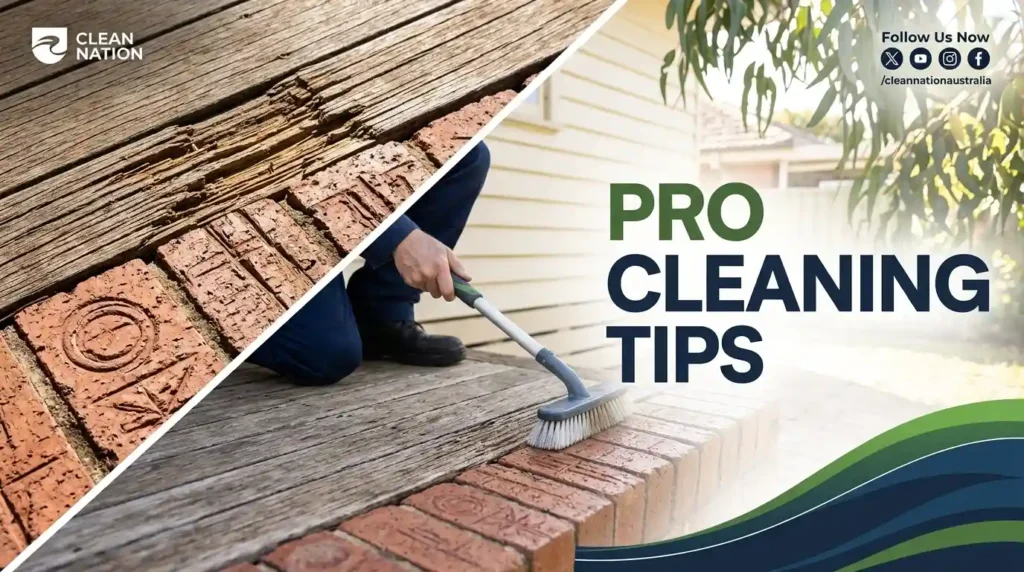
Old or weathered brickwork can be considerably softer than newer masonry, particularly when years of moisture and weather exposure have weakened the material. High pressure can remove the outer surface of the brick and wash away deteriorating mortar from the joints. Older Australian homes and heritage properties should therefore be assessed carefully before any pressure cleaning is attempted.
Timber Decking and Weathered Wood
Timber decking and weathered wood can suffer from excessive pressure because the water jet can cut into the natural grain and damage the timber fibres. Holding the nozzle too close may leave grooves, splinters or uneven marks that are difficult to repair. Timber generally benefits from a controlled, lower-pressure cleaning technique that removes surface grime without aggressively disturbing the wood.
Painted and Rendered Surfaces
Painted walls and rendered surfaces can be vulnerable to pressure because a concentrated spray may lift loose paint, expose the underlying substrate or worsen existing cracks. Render can also chip or deteriorate when excessive force is applied to a weak area. Before cleaning, the condition of the coating should be checked and the pressure adjusted to suit the surface rather than using a standard setting.
Natural and Soft Stone
Natural stone should be treated according to its type, porosity and condition. Softer or porous materials such as sandstone may be marked or eroded when exposed to an aggressive water stream, particularly if the surface is already weathered. A suitable cleaning method should remove organic growth and staining while preserving the stone’s natural surface rather than gradually wearing it away.
Vehicles
Vehicles are not simply another hard surface that can be cleaned with maximum pressure. A strong spray directed too closely can affect paint, clear coats, decals, trim, seals and other sensitive areas. For cars and other vehicles, the nozzle should be kept at a suitable distance and the pressure controlled to prevent cosmetic or component damage.
Electrical Panels and Fixtures
Electrical panels, outdoor outlets, meters, light fixtures and exposed electrical fittings should never be treated as ordinary pressure-washing surfaces. Direct water exposure can create serious safety hazards and may allow moisture to reach internal components. Electrical areas should be protected from spray, and any cleaning around them should be approached with appropriate caution.
Gutters and Delicate Components
Gutters may appear durable, but older PVC sections, joints and connections can become brittle with age. Excessive pressure can crack fragile components, loosen connections or force water into places where it can cause problems. Gutter cleaning should focus on controlled removal of debris rather than directing a powerful jet into every section of the system.
Air Conditioning Units
Air conditioning units contain delicate cooling fins and components that can be damaged by a concentrated pressure stream. Strong water can bend the fins, reducing airflow, while careless spraying may expose sensitive areas to unnecessary moisture. When an outdoor condenser needs cleaning, a gentle method is preferable to aggressive pressure that could affect its performance.
Why Does High Pressure Damage Certain Surfaces?
The cleaning power of a pressure washer comes from concentrated water force, which is useful against stubborn dirt on durable materials but can become destructive on vulnerable surfaces. Damage is more likely when high PSI is combined with a narrow nozzle, short spray distance or an already weakened substrate. The same pressure that removes grime from concrete can strip paint, erode brick or damage timber.
Excessive Water Pressure
Using more pressure does not automatically produce better cleaning results. Excessive PSI can remove more than the unwanted dirt, particularly from coatings, soft materials and deteriorating surfaces. Selecting a pressure level appropriate for the material helps reduce erosion, surface marking and unnecessary damage while still providing effective cleaning.
Incorrect Nozzle Selection
Nozzles control how widely the water is distributed and how concentrated the spray becomes. A narrow spray pattern delivers considerably more force to a small area, increasing the risk of damage when used incorrectly. Choosing the appropriate nozzle and maintaining a suitable spray distance allows the operator to control cleaning intensity instead of relying on brute force.
Surface Age and Condition
A surface that is structurally sound may respond differently to pressure than one that is cracked, weathered, loose or already deteriorating. Age can weaken mortar, coatings, timber fibres and other materials, making them less resistant to aggressive cleaning. Inspecting the surface first helps identify vulnerable areas that require reduced pressure or an alternative method.
Water Ingress
High-pressure water can penetrate gaps, joints, cracks and damaged seals that ordinary rainfall may not reach with the same force. Once moisture gets behind coatings, roofing materials or other assemblies, it can contribute to hidden deterioration. Avoiding direct spray into vulnerable openings is therefore an important part of responsible exterior cleaning.
What Can You Use Instead of Pressure Washing?
When a surface cannot safely tolerate conventional pressure washing, there are several gentler ways to remove dirt, mould, algae and other contaminants. The appropriate alternative depends on the material, the type of contamination and its overall condition. Soft washing, low-pressure cleaning and manual methods can provide effective results without relying on excessive water force.
Soft Washing
Soft washing uses low-pressure water alongside suitable cleaning solutions to loosen and treat organic contamination. Because it relies less on mechanical force, it can be useful for surfaces that could be damaged by aggressive pressure. The method still requires correct chemical selection, application and rinsing to avoid harming the material being cleaned.
Low-Pressure Cleaning
Low-pressure cleaning reduces the force applied to sensitive surfaces while retaining the benefits of controlled water cleaning. It can be particularly useful where dirt or biological growth needs to be removed without aggressively disturbing paint, timber, render or aged materials. The pressure should still be selected according to the specific surface.
Manual Cleaning
Manual cleaning provides the greatest control when dealing with particularly sensitive areas. Brushes, suitable cleaning products and controlled rinsing can be preferable for glass, delicate fixtures and small sections where mechanical pressure would be unnecessary. Although it may take longer, the added control can significantly reduce the risk of accidental surface damage.
How Can You Tell If a Surface Is Safe to Pressure Wash?
Start by identifying exactly what material you are dealing with rather than judging its suitability by appearance alone. Concrete, newer masonry and some hard paving can tolerate controlled pressure, while aged brick, timber, coatings and delicate materials may require a different approach. Check for cracks, loose sections, peeling paint, deteriorating mortar and other signs of weakness before cleaning.
The condition of the surface should then determine the cleaning method, pressure, nozzle and spray distance. If you are uncertain, test a small inconspicuous area first and inspect the result before continuing. When the material is fragile, valuable or already damaged, professional assessment can help prevent a cleaning job from becoming an expensive repair.
Common Pressure Washing Mistakes That Cause Damage
One of the most common mistakes is treating every surface in the same way. Using maximum pressure, holding the wand too close or selecting a narrow nozzle can create unnecessary force. Other problems occur when people pressure wash deteriorating brick, painted surfaces, timber or roofing materials without first checking whether the substrate can tolerate the treatment.
Another avoidable mistake is focusing only on visible dirt while overlooking the surrounding components. Water directed into seals, joints, electrical fittings or damaged areas can create problems that are not immediately visible. Taking time to inspect the surface, adjust the equipment and maintain a safe spray distance can make pressure cleaning considerably more controlled.
When Should You Hire a Professional Pressure Cleaning Service?
Professional help is worthwhile when the surface is fragile, aged, difficult to identify or already showing signs of deterioration. Roofs, rendered walls, heritage brickwork, delicate stone and painted exteriors can require surface-specific techniques rather than a standard pressure-washing treatment. A professional can assess the material and determine whether pressure washing, soft washing or another method is appropriate.
It is also sensible to seek professional cleaning when electrical components, difficult access areas or expensive exterior materials are involved. Experienced cleaners can select suitable equipment, pressure levels and cleaning techniques while reducing the likelihood of accidental damage. For Australian homes and businesses, this approach can protect the surface while achieving a more consistent cleaning result.
FAQ’s
Following are the faq’s
What surfaces should never be pressure washed?
Avoid using high pressure on vulnerable materials such as windows, asphalt shingles, deteriorating brick, weathered timber, delicate stone, painted surfaces and electrical components. Some may tolerate controlled or low-pressure cleaning, but the method should always match the material and its condition.
Can pressure washing damage windows?
Yes. High-pressure water can crack vulnerable glass, damage window seals and force moisture into gaps around frames. Windows are generally better cleaned using controlled low-pressure rinsing or manual methods that provide greater control over water force and spray direction.
Is it safe to pressure wash an asphalt shingle roof?
High-pressure washing is generally not recommended for asphalt shingles because it can dislodge protective granules and potentially damage or loosen roofing materials. A suitable soft-washing or low-pressure roof-cleaning method is often a safer alternative, depending on the roof’s condition.
Can you pressure wash old bricks?
Old brick can be vulnerable to high-pressure cleaning, especially when the brick or mortar has already deteriorated. Excessive force may erode the brick surface or weaken mortar joints. The material should be inspected first, with pressure and cleaning technique adjusted accordingly.
What is the safest alternative to pressure washing?
There is no single alternative for every material, but soft washing, low-pressure cleaning and manual cleaning are common options for delicate surfaces. The right choice depends on the material, its condition and the type of dirt or organic growth that needs to be removed.
Final Takeaway
Pressure washing is highly effective when used on suitable materials, but it should not be treated as a universal cleaning solution. Windows, asphalt shingles, deteriorating brick, timber, painted surfaces, soft stone, vehicles and electrical fixtures can all require considerably more care than hard, durable surfaces. The safest cleaning method depends on the material, condition, pressure, nozzle and technique. When there is any doubt, choosing a lower-pressure or soft-washing approach, and getting professional advice for vulnerable surfaces, can help remove dirt without turning a routine clean into costly surface damage.