


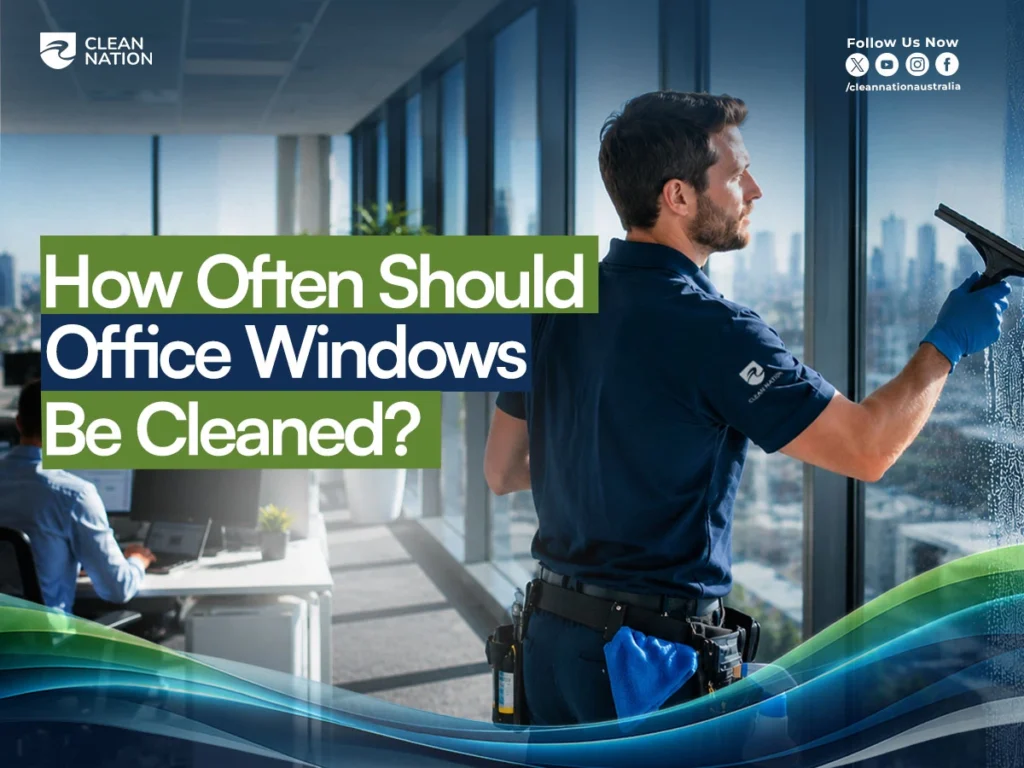
Office windows should generally be cleaned every 1 to 3 months depending on location, traffic, and environmental exposure. High-traffic offices may need monthly cleaning, while low-traffic spaces can follow a longer schedule. Regular cleaning helps maintain clear visibility, natural light, and a professional workplace appearance.
In many cases, the exact frequency also depends on how quickly dust, smudges, and outdoor pollutants build up on the glass. Offices located near busy roads, commercial hubs, or exposed environments often require more consistent maintenance to avoid dull or dirty-looking windows.
That’s why many businesses prefer working with a reliable Cleaning Services Company in Australia, as professional cleaners can assess conditions and recommend the right cleaning schedule. This ensures windows stay spotless, hygienic, and aligned with a strong corporate image throughout the year.
Table of Contents
ToggleHow to Clean an Office Window?
Keeping office windows clean is important for maintaining a professional appearance and creating a brighter workspace. Start by removing loose dust and dirt from the glass surface and window frames using a microfiber cloth or soft brush.
For effective interior window cleaning, use a streak-free cleaning solution and gently wipe the glass from top to bottom. This helps prevent smudges, fingerprints, and grime from building up inside the office environment. Regular Window Cleaning also ensures the glass stays clear, improves natural light flow, and maintains a fresh and professional office atmosphere.
For exterior window cleaning, begin by rinsing away outdoor dust, pollution, and environmental debris before applying a professional exterior glass washing solution. Offices located near busy roads or construction areas often experience heavy dirt buildup and hard water stains, making regular maintenance essential. Using the right scrubbing techniques can safely remove stubborn marks without damaging the glass surface or office facade.
Professional cleaning solutions also help protect windows from long-term damage caused by mineral deposits, water spotting, and environmental pollutants. Regular hard water stain removal improves glass clarity, allows more natural light into the workspace, and keeps the building looking clean and welcoming for staff, visitors, and clients. Businesses like Clean Nation understand that consistent office window maintenance plays a major role in workplace presentation and overall cleanliness.
Signs Your Office Windows Need Cleaning
One of the clearest signs your office windows need attention is visible dust buildup on the glass and window frames. Over time, dirt build-up from traffic, weather, and indoor activity can leave windows looking dull and neglected. When natural light starts appearing weaker inside the workspace, it is often a sign that the glass surfaces are no longer properly clean.
Smudged windows, fingerprints, and water stains around entryways or meeting areas can quickly create a messy look for employees, visitors, and clients. Offices with high foot traffic usually experience faster buildup on glass surfaces, especially near doors, reception areas, and shared workspaces. These marks can affect the professional appearance of your office even if the rest of the workplace is organised.
Another important sign is when windows begin collecting germs, grime, and moisture around frequently touched areas. Dirty glass surfaces can make the office environment feel less hygienic and poorly maintained. Regular window cleaning helps maintain a cleaner workspace, improves visibility, and keeps the office looking fresh, bright, and welcoming throughout the year.
General Steps For Office Window Cleaning
A proper office window cleaning process starts with a clear cleaning strategy to remove loose dirt, dust, and surface debris before washing the glass. Dusting window frames, tracks, and surrounding areas helps prevent grime from spreading during cleaning. This first step creates a smoother finish and improves the overall appearance of office windows.
After surface preparation, the glass should be cleaned using suitable products and professional techniques to remove stains, fingerprints, and buildup. Sanitizing frequently touched areas around windows and handles also helps maintain a cleaner workplace environment. Consistent window stain prevention reduces the chances of hard water marks and long-term glass damage caused by environmental exposure.
Regular maintenance is important for keeping office windows clear, bright, and professional-looking throughout the year. Offices exposed to smoke, pollution, or environmental contaminants may require additional care similar to fire and smoke damage restoration cleaning methods to fully remove residue from glass surfaces. A consistent cleaning routine helps maintain visibility, protects the glass, and supports a healthier office environment.
Factors That Affect Office Cleaning Frequency
Office cleaning frequency depends on several important factors, including the office location, building structure, surrounding environment, and type of business operations. Workplaces near busy roads, industrial zones, or high-traffic areas usually collect dust and grime faster, while larger or multi-story buildings often require more regular maintenance due to accessibility challenges.
Seasonal weather changes, workplace activity levels, and customer-facing environments also influence how quickly windows become dirty. A well-planned cleaning schedule helps businesses maintain a cleaner, safer, and more professional workspace throughout the year.
Office Location and Surrounding Environment
The location of an office plays a major role in deciding how often windows need cleaning. Workplaces situated in a downtown area or near busy roads and highways tend to accumulate dust, pollution, and grime much faster due to constant traffic and vehicle emissions. In contrast, offices in suburban areas or rural areas usually experience slower dirt buildup, but they still require routine care to maintain a clean and professional appearance.
Similarly, buildings located in industrial sites are exposed to heavier airborne particles, which can quickly affect glass clarity and overall workspace presentation. High-rise buildings also demand more frequent attention through high rise glass cleaning methods, as wind exposure and environmental debris increase at greater heights. Choosing the right cleaning frequency based on surroundings ensures long lasting cleanliness and a consistently polished office image.
Building Structure and Window Accessibility
The structure of a building directly influences how often windows need cleaning, especially in high-traffic areas where exposure to dust, pollution, and constant movement causes surfaces to accumulate dirt much faster. Offices located near highways or open environments often require more frequent window cleaning near highways, as wind-driven debris and airborne particles settle quickly on glass and frames, reducing clarity and overall appearance.
Seasonal conditions also play a major role in maintenance planning. During hot and sunny days, glass surfaces can create streaks if not cleaned properly, while cold and rainy weather increases risks like moisture buildup, freezing hazards, and potential damage to exterior fittings. In spring, pollen and grime accumulate rapidly, and in autumn, wind-driven debris can clog exterior tracks, making regular seasonal maintenance essential to keep windows functional, accessible, and visually clean.
Building Height and Design
The height and overall design of a building significantly impact how often windows require cleaning, especially in spaces with heavy foot traffic. Smaller offices may accumulate dust at a slower rate, while larger offices with greater square footage often experience faster buildup due to increased airflow and activity.
In busy environments like restaurants, glass surfaces tend to show fingerprints, smudges, and grease marks more quickly, making routine maintenance essential for a clean and professional appearance.
In multi-story buildings, window accessibility becomes a key factor, as higher floors require specialized cleaning methods and safety equipment. Different flooring types and interior layouts can also influence how dirt spreads and settles near glass surfaces.
A well-planned cleaning approach based on building design ensures consistent clarity, improves visual appeal, and maintains a polished look across all levels of the workspace.
Business Sector and Workplace Requirements
Different business sectors need different levels of cleaning frequency and methods based on how they operate and what their customers expect. Retail spaces and customer-facing offices often need a clear, unobstructed view of displays to keep a strong visual impression, while high-activity workplaces deal with frequent smudges from daily foot traffic that can quickly affect glass appearance and overall presentation.
Workplaces also need to balance cleanliness with operational costs, so cleaning routines stay efficient without getting in the way of daily work. This is easier to manage once you know the common office areas that need regular cleaning, since not every space needs the same attention. Environments exposed to airborne debris, dust, and smoke need more structured maintenance schedules to protect both hygiene and visibility. At the same time, proper planning supports worker safety compliance, so cleaning gets done responsibly while keeping the business clean, professional, and safe.
Why Office Windows Cleaning Matters?
Regular office window cleaning is an essential part of overall maintenance because it directly influences the building’s visual appearance and the way clients and employees perceive the workspace. Clean glass allows natural light to enter freely, creating a brighter and more professional environment while reducing the dull, neglected look that dirty windows often produce.
Consistent cleaning also plays a key role in stain prevention, protecting glass surfaces from long term damage caused by dust, hard water, and environmental buildup. Over time, this helps preserve both the clarity and structure of the windows, supporting long term maintenance and reducing repair costs. Ultimately, well-maintained windows contribute positively to your business reputation, showing attention to detail, professionalism, and care for your workplace environment.
Why Hiring a Clean Nation for Office Window Cleaners?
Choosing a professional office cleaning service for office windows ensures proper mold and algae removal, which is often missed in basic or irregular cleaning routines. A skilled team uses leading-edge equipment to deliver streak-free results, improve glass clarity, and maintain consistent cleanliness standards across all office spaces. This level of care helps meet specific facility requirements while keeping the workplace visually polished and hygienic.
With experienced professional window washers, businesses can build stronger customer trust and maintain a more well-organized environment that reflects true professionalism.
A clean workspace also contributes to higher employee morale, better focus, and improved productivity. Reliable services ensure ongoing environmental cleanliness, making your office look more trustworthy and aligned with modern commercial expectations.
How Dirty Windows Affect Productivity & Brand Image?
In an office setting, a mid-sized company in Australia started noticing that their windows were collecting heavy dust buildup, fingerprints, and water stains, making the workspace look dull and less professional. Over time, the reduced natural light affected employee focus and productivity, while clients walking in formed a weaker first impression of the brand.
The management eventually hired Clean Nation for a professional clean. After a detailed window cleaning service, the glass surfaces were restored, the office looked brighter, and the overall brand image immediately improved. The team reported higher employee morale and a more welcoming, well-presented workspace, showing how clean windows directly support both productivity and business reputation.
FAQ – How Often Should Office Windows Be Cleaned?
Following are the FAQ’s
How often should office windows be cleaned for a professional look?
For most offices, windows should be cleaned every 1 to 3 months depending on traffic and exposure. High traffic workplaces may need monthly cleaning. Clean Nation recommends regular schedules to maintain a clear, professional appearance and better natural light.
Do you offer same week or urgent window cleaning services?
Yes. Clean Nation provides flexible scheduling with fast response times, often within 24 to 48 hours depending on availability. Emergency or priority bookings are available for commercial clients who need urgent cleaning support.
How is your window cleaning pricing calculated?
Pricing depends on window size, number of panes, building height, and cleaning frequency. Clean Nation offers transparent, affordable quotes with no hidden charges after inspection, ensuring fair pricing for every office type.
Are your cleaners certified and insured?
Yes. All Clean Nation technicians are trained, insured, and follow professional safety standards. Our team uses industry approved methods to ensure safe, high-quality cleaning for all commercial office environments.
Can regular cleaning improve office hygiene and trust?
Absolutely. Clean windows reduce dust buildup and improve workplace brightness, boosting employee productivity and customer trust. Clean Nation helps maintain a healthier, more professional office environment with consistent cleaning schedules.
Conclusion
Dirty office windows slowly reduce the professional feel of a workspace, even when everything else is well maintained. Dust buildup, smudges, and water stains can block natural light, making the office look dull and less inviting for both staff and clients. Over time, this affects first impressions and can quietly impact brand perception and workplace energy. Regular window cleaning restores brightness, improves visibility, and helps maintain a cleaner, more polished office environment. Businesses like Clean Nation ensure windows stay clear and professional, supporting both productivity and a strong brand image.